Need residential pest control in Buena?
- Referral to independent local providers
- Help for older homes
- Written quotes to compare
- No obligation to hire
No obligation
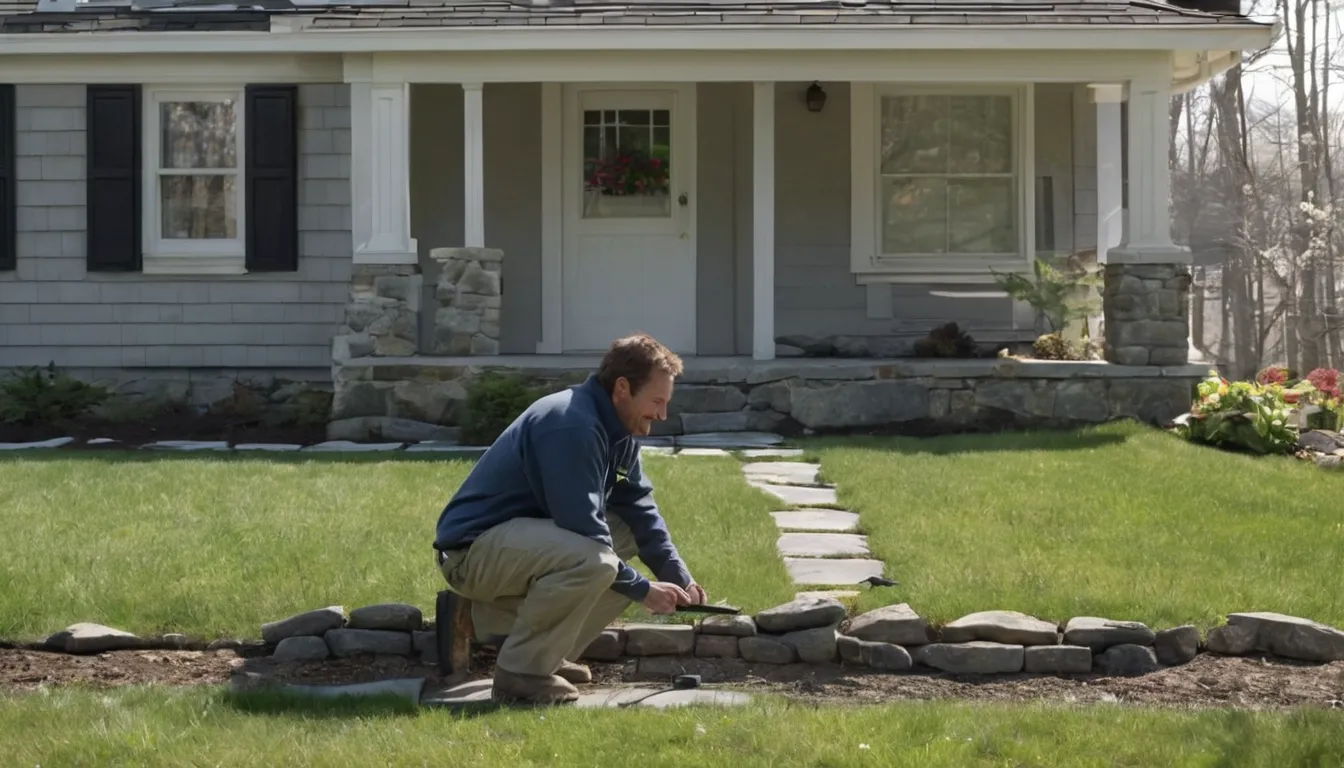
Pests rarely stay in one corner of the house. Ants follow a crumb trail, mice squeeze through gaps the width of a pencil, and spiders move in wherever the bugs are. In an older home, there are even more ways in.
Topicsmoments Pest Control is a referral service. We do not treat homes ourselves. We connect homeowners in the Buena area with independent local providers who inspect, treat and follow up. This page explains what the work involves, what drives the price, and how to compare written quotes. Once you know your options, the next step feels a lot less like a gamble.
First, figure out what you are dealing with. Droppings, gnaw marks, trails of ants, small dark specks on bedding, or sawdust-like piles all tell a story. Take a few phone photos. Note where and when you see activity.
Then reach out to a provider. Request a callback to check provider availability in your part of the Buena area. Many providers can respond quickly, but schedules vary.
Some problems cannot wait for a slow week. Rodents in walls can chew wiring. Bed bugs spread from room to room. Stinging insects near doors are a safety issue. Termite swarms deserve a prompt look too.
Ants in the kitchen or a few spiders in the basement are less pressing. They still deserve attention, but you have more time to compare quotes.
A small ant trail is a small job. A colony nested in a wall is a bigger one. Roaches and mice multiply fast, so each week of waiting can add visits to the bill.
Early action also protects your belongings. Insulation, stored boxes and food packaging all take damage when pests settle in. Fixing the problem sooner often means fewer products, fewer visits and a smaller invoice.
Most jobs follow the same basic path. A provider inspects the house and yard, finds entry points and nesting spots, and picks a treatment. Then they apply it and explain what to watch for.
Depending on the pest, work may include:
Ask each provider to list exactly what is included.
These are the everyday visitors. Ants come for food and moisture. Roaches favor warm, damp spots like under sinks. Crickets and spiders often enter through basement gaps and then stay for the insects already there.
Rodents get in through tiny openings and nest in quiet spaces. Treatment usually pairs traps or bait with sealing the entry points. Without sealing, new mice tend to arrive.
Bed bug treatment is more involved than a standard spray. It may mean heat, targeted products, or both, plus careful prep of bedding and furniture. Expect more than one visit.
Older homes hide surprises. Stone and block foundations develop gaps over the years. Past repairs may have left holes around pipes. Full basements stay damp, which attracts insects. Multi-family buildings and Cape Cod style layouts have shared walls and tight attic spaces that let pests travel.
Cold snowy winters push pests indoors. Freeze-thaw cycles open new cracks in masonry. Spring snowmelt can saturate soil near the foundation and send insects looking for dry ground.
A good provider will inspect those spots and not just spray the baseboards. Ask whether they check the foundation, crawl spaces and attic edges.
It is smart to ask. Tell the provider about children, pets, pregnancy, asthma and any fish tanks. They can choose products and methods to fit, such as baits placed out of reach.
Ask for product names and the label instructions. Find out how long to keep kids and pets out of treated areas. Reasonable providers will answer plainly.
This is mostly a cost trade-off. A one-time treatment suits a single clear problem, like an ant trail. It costs less up front, but it does not prevent the next arrival.
An ongoing plan, often quarterly, spreads the cost across the year. It makes more sense in an older home with many entry points, or if you have had repeat visitors. Ask what each scheduled visit includes and whether extra visits cost more.
Look for a provider who inspects before quoting. A quote given sight unseen is often a guess. Ask about licensing and insurance, and ask the provider to show proof. Do not rely on our word for it, since we do not do the work.
When you compare written quotes, check these items:
A smaller price on paper is not always the better deal if it leaves out follow-ups.
A few small steps make a real difference:
Do not mix in store-bought sprays without asking. They can interfere with the provider's products.
You do not have to decide today. Gather a couple of written quotes, compare what each covers, and choose the one that fits your home and budget. Request a callback to talk through where to begin.
A provider checks rooms, basements, attics and the foundation to find pests, entry points and the likely cause.
Baits, sprays or traps are chosen to suit the pest, your home and household.
Small gaps around pipes, vents and foundations are closed up so pests have fewer ways back in.
Many plans include a return visit to confirm that activity has dropped and to adjust treatment.
Prices vary by pest, home size and how long the problem has gone on. These are typical U.S. ranges only. Older homes with many entry points can run higher, so always get a written quote.
| Service | Typical range | Notes |
|---|---|---|
| Inspection | $75 – $250 | Some providers apply it to the treatment cost |
| One-time general treatment | $150 – $400 | Fits a single, clear problem |
| Quarterly plan, per visit | $100 – $200 | Yearly total depends on visits included |
| Ant or roach treatment | $150 – $600 | Heavy roach cases may need repeat visits |
| Spider or cricket treatment | $100 – $350 | Exterior barrier work adds to the price |
| Bed bug treatment | $500 – $2,500 | Rises with rooms treated and method used |
Tell us what you see, where you see it, and how long it has been happening.
A local provider in our network reaches out to discuss your home and the pest.
Review what each quote covers, including visits, products and warranty terms.
Pick a provider, follow the prep list, and ask about follow-up visits.
Topicsmoments Pest Control connects you with independent providers and does not do the work, so you know who is who.
We explain what drives price so quotes make sense side by side.
Guidance focuses on aging materials, past repairs and the hidden gaps in older houses.
Request an estimate, compare options and decide on your own schedule, with no obligation.
Typical U.S. prices run from about $150 to $400 for a one-time treatment, and more for roaches, bed bugs or large homes. Costs vary by job, so compare written quotes before choosing.
Providers can choose products and placement with children and pets in mind. Share your household details up front, ask for product names, and follow the instructions on how long to stay out of treated areas.
Not always. A single issue may only need one treatment. Older homes with repeat pests often do better with scheduled visits. Ask each provider what the plan includes and whether extra visits cost more.
Tell us what you are seeing in your home. Request a callback to check provider availability, or send a request and we will point you to a local provider.
No obligation