Need termite treatment help in Buena?
- Referral to independent local providers
- Help for older homes
- Written quotes to compare
- No obligation to hire
No obligation
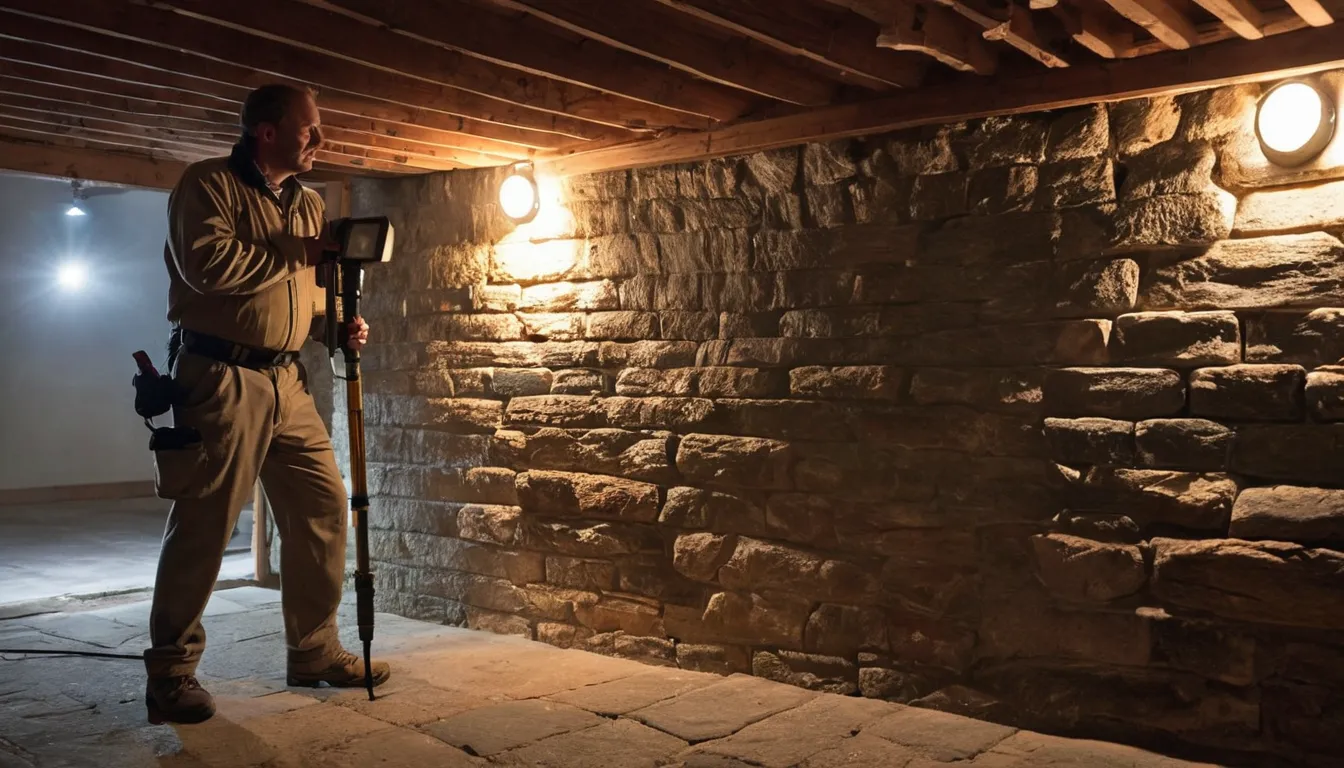
Termites rarely announce themselves. In older Buena homes, they can feed behind plaster, inside sill beams and along stone or block foundations for a long time. By the time a floor feels soft, the job may already be bigger than you hoped.
Topicsmoments Pest Control is a referral service. We do not treat homes. We connect homeowners in the Buena area with independent local providers in our network who inspect, explain the options and put a price in writing. This page covers the warning signs, the treatment choices, what drives cost, how to compare quotes fairly and what to do once treatment is finished.
Found pencil-width mud tubes, soft wood or a cloud of winged insects indoors? Take a breath, then act. Termites work out of sight, and older houses give them plenty of cover. Request a callback to check provider availability, or send an estimate request and compare what comes back.
A few simple steps help a provider read the situation faster.
Termites feed all the time. A small colony can become a large one over a few seasons. The longer it runs, the more wood a carpenter may need to replace later.
Waiting also changes your options. Early findings can sometimes be treated in one area. Wide activity usually means treating the whole structure.
Aging homes have more of what termites like. Think of wood posts set on old stone, sills touching the ground, and past additions where new framing meets old.
Cold winters and spring snowmelt keep soil damp near foundations. Full basements add more dark, moist corners. A good provider checks these spots first, including areas covered by old repairs or paneling.
The type matters because it shapes the plan.
A provider can confirm the species during an inspection. Do not guess from a photo alone.
Most plans fall into a few groups. Each has trade-offs.
A provider applies treatment in the soil around the foundation to form a barrier. It is common for subterranean termites. On homes with full basements and block walls, it can mean drilling or trenching, which raises labor.
Stations placed around the home draw termites in to feed. Baits need monitoring over months. They often suit homes where drilling is hard or unwanted.
Targeted products go into affected wood. This can fit small, confirmed areas, but it may not stop a colony that is still in the soil.
Expect the process to run in a clear order.
Ask each provider to explain why they chose their method for your house.
Buying or selling an older house? Lenders sometimes ask for a termite inspection report. Buyers may want one even when no one asks.
If the report shows activity, you have choices. You can treat before listing, adjust the price or negotiate repairs. Get written quotes before you agree to anything.
Several things move a quote up or down:
Two quotes with the same total can cover very different work. Compare the details.
Ask each provider the same questions so the answers line up.
A fair provider welcomes questions. Be careful with anyone who pressures you to sign on the spot.
Get at least two or three. Line them up side by side. Check the scope, the method, the follow-up terms and the exclusions. The smallest number is not always the whole story, and the highest is not always more thorough.
Many standard homeowner policies do not cover termite damage. Some may cover sudden damage from other causes. Check your policy. Providers can often help document damage with photos and written reports, which may help if you file a claim.
Treatment is not the finish line. Keep gutters and downspouts pointed away from the foundation. Store firewood off the ground and away from the house. Fix leaks and damp basement spots. Schedule yearly inspections if your provider recommends them.
If you repair damaged wood, ask the carpenter to tell the pest provider what they find behind the walls.
You do not need to settle everything today. You only need a clear picture and a written plan. Request a callback to see which providers in our network can take a look, or request an estimate and compare.
A provider checks basements, sills, crawl spaces and attics for tubes, damaged wood and moisture clues.
Findings, the species and the proposed plan come on paper, so you can compare.
Soil treatment, bait stations or spot work, chosen to fit your foundation and the activity found.
Many plans add monitoring or recheck visits. Ask what is included and for how long.
Prices vary by home size, foundation type and method. These are typical U.S. ranges only. Always ask for a written quote that lists exactly what is covered.
| Item | Typical range | Notes |
|---|---|---|
| Termite inspection | $75 – $300 | Some providers fold it into treatment. |
| Liquid soil treatment | $1,200 – $3,500 | Higher for drilling through slabs or block. |
| Bait station system | $1,500 – $3,500 | Monitoring visits may add yearly fees. |
| Spot wood treatment | $250 – $900 | Fits small, confirmed areas only. |
| Annual renewal or monitoring | $100 – $400 | Terms and coverage differ by provider. |
| Wood repair after damage | $500 – $5,000+ | Often separate and depends on framing. |
Tell us what you found, where it is and when you noticed it.
A provider in our network contacts you to set up an inspection.
Review the written plans side by side and ask questions before deciding.
You choose the provider and schedule, and they carry out the work.
We focus on what drives price, so you can weigh each option before spending.
Stone foundations, past repairs and hidden framing change the plan. Providers know to look closely.
Compare scope, method and follow-up on paper instead of relying on a verbal number.
Local providers do the work. Topicsmoments Pest Control only makes the introduction.
Termites leave mud tubes and discarded wings, and their damage looks layered and muddy. Carpenter ants leave clean, smooth tunnels and sawdust-like piles. A provider can confirm which pest it is during an inspection.
Typical U.S. costs run from about $1,200 to $3,500 for many treatments, but stone foundations, full basements and wide activity can raise that. Get written quotes from several providers and compare the scope.
Most standard policies exclude termite damage, though some cover sudden damage from other causes. Check your policy and ask your insurer. Providers can often help document damage for a claim.
Tell us what you are seeing in your home. Request a callback to check provider availability, or send a request and we will point you to a local provider.
No obligation